Resource Search

Provides access to all site resources, with the option to search by species common and scientific names. Resources can be filtered by Subject, Resource Type, Location, or Source. Search Help

Displaying 441 to 460 of 593

  • Species Profile -- Hammerhead Worm

    • Hammerhead worm

      Hammerhead worm was first discovered in 1891. It was introduced by movement of infested plants and soil. These worms are predators of earthworms, could potentially impact agricultural, horticultural, and natural ecosystems

  • Species Profile -- Japanese Beetle

    • Japanese beetle

      The Japanese beetle is native to Japan. It was first discovered in 1916 but was probably introduced around 1911. It was introduced possibly in the soil of imported ornamental plants. This beetle is a destructive pest of turf, landscape plants, and crops; adults feed on the foliage and fruits of several hundred species of trees, shrubs, vines, and crops, while larvae feed on the roots of grasses and other plants.

  • Species Profile -- New Guinea Flatworm

    • New Guinea flatworm

      The New Guinea flatworm was first found in Florida in 2012. It's method of introduction is unknown, although land flatworms have been known to be introduced in the soil of imported plants. New Guinea flatworms are predators of land snails.

  • Species Profile -- Northern Giant Hornet

    • Asian giant hornet

      The northern giant hornet is native to Asia and was first detected in Washington State in 2019. It possibly was introduced through the illegal importation of live specimens for food and medicinal purposes. This hornet is a pest of honey bees that can cause the complete loss of colonies.

  • Species Profile -- Oak Wilt

    • Oak Wilt

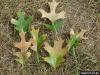
      Oak wilt is a fungal disease of oaks that can rapidly kill susceptible species (particularly red oaks). The origin and means of the introduction of oak wilt are unknown. The disease was first discovered in 1942 and is currently only found in the U.S., but it may have originated in Mexico, Central America, or South America.

  • Species Profile -- Pale Cyst Nematode

    • White potato cyst nematode

      The pale cyst nematode is native to South America. It was first discovered in Idaho in 2006. It is a major pest of potatoes and related crops. Uncontrolled infestations can reduce crop yields by 80%.

  • Species Profile -- Palmer Amaranth

    • Palmer amaranth

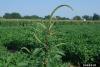
      Palmer amaranth is native to Southwestern U.S. and was first reported outside of its native range in Virginia in 1915, but was not a significant weed in the Southeast until the 1990s. This species is one of the most economically important weeds of corn, cotton, and soybean; some populations are resistant to glyphosate and other herbicides.

  • Species Profile -- Red-bellied Pacu

    • Red bellied pacu

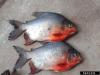
      Red-bellied pacu is native to South America. Individual specimens have been caught since the 1960s, but no reproducing populations have yet become established in the U.S. This species was probably introduced through aquarium releases or fish farm escapes. The environmental impact is unknown.

  • Species Profile -- Red-eared Slider

    • Red-eared slider

      Red-eared slider is native to the Mississippi River drainage. Throughout its nonindigenous range, this species is introduced primarily through pet releases and escapes since the 1930's. This species may compete with native turtle species, although despite its widespread occurrence little is known of the impact on indigenous ecosystems.

  • Species Profile -- Spotted Lanternfly

    • Spotted lanternfly

      The spotted lanternfly is native to China. It was first detected in 2014 (but appeared to have been present in the U.S. for 2-3 years) and poses a serious economic threat to multiple U.S. industries, including viticulture, fruit trees, ornamentals and timber.

  • Species Profile -- Spotted Wing Drosophila

    • Spotted wing drosophila

      Spotted wing drosophila was first discovered in Hawaii in the 1980's and in the continental U.S. in 2008. It was possibly introduced in fruits imported from Asia. This insect is a pest of unripe berries and stone fruits capable of causing significant economic losses.

  • Species Profile -- Sweet Orange Scab

    • Sweet orange scab

      Sweet orange scab is native to South America. It was introduced to the U.S. in 2010, most likely through the movement of infected nursery stock. It's a fungus affecting the fruit of sweet orange and mandarin cultivars.

  • Species Profile -- Tomato Leaf Miner

    • Tomato Leafminer

      The tomato leaf miner was originally thought to be native to Central America, but now believed to have originated in Peru. This pest is not yet present in the United States. It may be transported through the fruit trade and it's impact caused yield losses of up to 100% in tomatoes.

  • Species Profile -- Varroa Mite

    • European honey bee with a Varroa mite on it's back

      The honey bee varroa mite was first detected in Asia and was introduced to the U.S. in 1987. It's means of introduction was via commercial transportation of infested bee colonies. The varroa mite is a serious worldwide pest of the European honeybee and is a major cause of colony collapses.

  • Spongy Moth Population Increases for Third Consecutive Year in Wisconsin

    • Dec 2, 2022
    • Wisconsin Department of Agriculture, Trade, and Consumer Protection.

    • The Wisconsin Department of Agriculture, Trade and Consumer Protection (DATCP) caught 202,300 spongy moths (formerly named gypsy moth) in 10,044 traps this summer as part of the federal Slow the Spread of the Spongy Moth Program. "Wisconsin weather trends have allowed the spongy moth population to grow over the last several years," said Michael Falk, DATCP's trapping coordinator.

      Spongy moth is an invasive pest that has been spreading westward since its introduction to North America. Caterpillars feed on the leaves of many species of trees and shrubs, especially oaks, and can cause severe leaf loss when feeding in large numbers. For more information, call (800) 642-MOTH (6684), email spongymoth@wisconsin.gov, or visit www.spongymoth.wi.gov.

  • Spotted Lanternfly Found in Indiana

    • Jul 23, 2021
    • Indiana Department of Natural Resources.

    • Spotted lanternfly (Lycorma delicatula) was found in Indiana for the first time in Switzerland County earlier this week, the farthest west the insect has been found. A homeowner in Vevay contacted DNR’s Division of Entomology & Plant Pathology (DEPP) with a picture that was taken outside his home of a fourth instar, or developmental stage, larvae. DEPP staff surveyed the site and discovered an infestation in the woodlot adjacent to a few homes in the area. DEPP and USDA are conducting an investigation to determine exactly how large the infestation is and where it could have come from, as well as how to limit the spread and eradicate the population.

      The Indiana DNR is asking for all citizens to keep an eye out for spotted lanternfly. The bright color of both the last instars and the adults of the insect should be present at this time of the year. Anyone that spots signs of the spotted lanternfly should contact DEPP by calling 866-NO EXOTIC (866-663-9684) or send an email to DEPP@dnr.IN.gov.

  • Spotted Lanternfly Found in Jefferson County, Ohio

    • Oct 27, 2020
    • Ohio Department of Agriculture.

    • A population of the invasive Spotted Lanternfly (SLF) has been found in Mingo Junction, Ohio just south of Steubenville, along the Ohio River. The initial report came from a resident who spotted a dead adult SLF on a commercial building on October 19, 2020. When Ohio Department of Agriculture (ODA) Plant Pest Control inspectors arrived, they were able to capture five live adult SLF in trees located nearby. ODA has been working with the United States Department of Agriculture, Ohio Department of Natural Resources, Ohio State University Extension, and the Ohio Grape Industries Committee to do visual surveys, insect trapping, and outreach in the region.

      The public is the first line of defense against the SLF. If you believe you have seen an SLF in your area, you can easily report a suspected infestation by going to ODA’s Spotted Lanternfly Information Page and filling out a suspected infestation report. You may also call the Plant Pest Control Division at 614-728-6400.

  • Spotted Lanternfly Found in Oakland County, Michigan

    • Aug 11, 2022
    • Michigan Department of Agriculture and Rural Development.

    • Today, Michigan Department of Agriculture and Rural Development (MDARD) Director Gary McDowell confirmed the state’s first detection of spotted lanternfly (Lycorma delicatula) in Michigan. A small population of spotted lanternfly was detected in Pontiac in Oakland County last week with the United States Department of Agriculture (USDA) confirming the finding on August 10.

      Spotted lanternfly moves easily on firewood, tires, campers, vehicles and more. Prevention and early detection are vital to limiting the spread of spotted lanternfly. If you find a spotted lanternfly egg mass, nymph or adult, take one or more photos, make note of the date, time and location of the sighting, and report it online to Eyes in the Field. Photos are necessary to verify a report and to aid in identification.

  • Spotted Lanternfly Identified in Illinois

    • Sep 26, 2023
    • Illinois Department of Natural Resources.

    • The Illinois Department of Agriculture has confirmed the first detection of spotted lanternfly (Lycorma deliculata) in Illinois. Following a report of a live adult on Sept. 16, state, federal, and local officials coordinated a site visit near the area of the report and identified a moderately populated area of spotted lanternfly (SLF) on Sept. 18. Specimens were collected and submitted for identification, and confirmatory results were received on September 26. The spotted lanternfly does not present any human or animal health concerns.

      If you see SLF or suspect it, report it to lanternfly@illinois.edu. A fact sheet, including photos, is available through the University of Illinois Extension [PDF, 1.95 MB].

  • Spotted Lanternfly Lands in U.S. (Photo Essay)

    • Feb 11, 2019
    • USDA. ARS. Tellus.

    • The spotted lanternfly, first sighted in Pennsylvania, is an invasive pest to the U.S. See this photo essay to learn more about ARS's research efforts.