
Displaying 881 to 900 of 1164
Species Profile -- Japanese Beetle
-
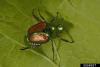
The Japanese beetle is native to Japan. It was first discovered in 1916 but was probably introduced around 1911. It was introduced possibly in the soil of imported ornamental plants. This beetle is a destructive pest of turf, landscape plants, and crops; adults feed on the foliage and fruits of several hundred species of trees, shrubs, vines, and crops, while larvae feed on the roots of grasses and other plants.
-
Species Profile -- New Guinea Flatworm
-
The New Guinea flatworm was first found in Florida in 2012. It's method of introduction is unknown, although land flatworms have been known to be introduced in the soil of imported plants. New Guinea flatworms are predators of land snails.
-
Species Profile -- Northern Giant Hornet
-
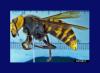
The northern giant hornet is native to Asia and was first detected in Washington State in 2019. It possibly was introduced through the illegal importation of live specimens for food and medicinal purposes. This hornet is a pest of honey bees that can cause the complete loss of colonies.
-
Species Profile -- Oak Wilt
-
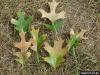
Oak wilt is a fungal disease of oaks that can rapidly kill susceptible species (particularly red oaks). The origin and means of the introduction of oak wilt are unknown. The disease was first discovered in 1942 and is currently only found in the U.S., but it may have originated in Mexico, Central America, or South America.
-
Species Profile -- Pale Cyst Nematode
-
The pale cyst nematode is native to South America. It was first discovered in Idaho in 2006. It is a major pest of potatoes and related crops. Uncontrolled infestations can reduce crop yields by 80%.
-
Species Profile -- Palmer Amaranth
-
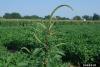
Palmer amaranth is native to Southwestern U.S. and was first reported outside of its native range in Virginia in 1915, but was not a significant weed in the Southeast until the 1990s. This species is one of the most economically important weeds of corn, cotton, and soybean; some populations are resistant to glyphosate and other herbicides.
-
Species Profile -- Red-bellied Pacu
-
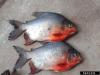
Red-bellied pacu is native to South America. Individual specimens have been caught since the 1960s, but no reproducing populations have yet become established in the U.S. This species was probably introduced through aquarium releases or fish farm escapes. The environmental impact is unknown.
-
Species Profile -- Red-eared Slider
-
Red-eared slider is native to the Mississippi River drainage. Throughout its nonindigenous range, this species is introduced primarily through pet releases and escapes since the 1930's. This species may compete with native turtle species, although despite its widespread occurrence little is known of the impact on indigenous ecosystems.
-
Species Profile -- Spotted Lanternfly
-
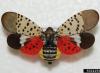
The spotted lanternfly is native to China. It was first detected in 2014 (but appeared to have been present in the U.S. for 2-3 years) and poses a serious economic threat to multiple U.S. industries, including viticulture, fruit trees, ornamentals and timber.
-
Species Profile -- Spotted Wing Drosophila
-
Spotted wing drosophila was first discovered in Hawaii in the 1980's and in the continental U.S. in 2008. It was possibly introduced in fruits imported from Asia. This insect is a pest of unripe berries and stone fruits capable of causing significant economic losses.
-
Species Profile -- Sweet Orange Scab
-
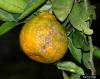
Sweet orange scab is native to South America. It was introduced to the U.S. in 2010, most likely through the movement of infected nursery stock. It's a fungus affecting the fruit of sweet orange and mandarin cultivars.
-
Species Profile -- Tomato Leaf Miner
-
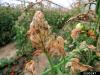
The tomato leaf miner was originally thought to be native to Central America, but now believed to have originated in Peru. This pest is not yet present in the United States. It may be transported through the fruit trade and it's impact caused yield losses of up to 100% in tomatoes.
-
Species Profile -- Varroa Mite
-
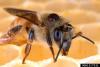
The honey bee varroa mite was first detected in Asia and was introduced to the U.S. in 1987. It's means of introduction was via commercial transportation of infested bee colonies. The varroa mite is a serious worldwide pest of the European honeybee and is a major cause of colony collapses.
-