Resource Search

Provides access to all site resources, with the option to search by species common and scientific names. Resources can be filtered by Subject, Resource Type, Location, or Source. Search Help

Displaying 561 to 580 of 690

  • Species Profile -- Oak Wilt

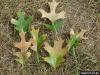
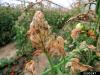
    • Oak Wilt

      Oak wilt is a fungal disease of oaks that can rapidly kill susceptible species (particularly red oaks). The origin and means of the introduction of oak wilt are unknown. The disease was first discovered in 1942 and is currently only found in the U.S., but it may have originated in Mexico, Central America, or South America.

  • Species Profile -- Pale Cyst Nematode

    • White potato cyst nematode

      The pale cyst nematode is native to South America. It was first discovered in Idaho in 2006. It is a major pest of potatoes and related crops. Uncontrolled infestations can reduce crop yields by 80%.

  • Species Profile -- Palmer Amaranth

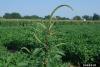
    • Palmer amaranth

      Palmer amaranth is native to Southwestern U.S. and was first reported outside of its native range in Virginia in 1915, but was not a significant weed in the Southeast until the 1990s. This species is one of the most economically important weeds of corn, cotton, and soybean; some populations are resistant to glyphosate and other herbicides.

  • Species Profile -- Red-bellied Pacu

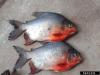
    • Red bellied pacu

      Red-bellied pacu is native to South America. Individual specimens have been caught since the 1960s, but no reproducing populations have yet become established in the U.S. This species was probably introduced through aquarium releases or fish farm escapes. The environmental impact is unknown.

  • Species Profile -- Red-eared Slider

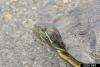
    • Red-eared slider

      Red-eared slider is native to the Mississippi River drainage. Throughout its nonindigenous range, this species is introduced primarily through pet releases and escapes since the 1930's. This species may compete with native turtle species, although despite its widespread occurrence little is known of the impact on indigenous ecosystems.

  • Species Profile -- Spotted Lanternfly

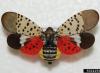
    • Spotted lanternfly

      The spotted lanternfly is native to China. It was first detected in 2014 (but appeared to have been present in the U.S. for 2-3 years) and poses a serious economic threat to multiple U.S. industries, including viticulture, fruit trees, ornamentals and timber.

  • Species Profile -- Spotted Wing Drosophila

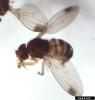
    • Spotted wing drosophila

      Spotted wing drosophila was first discovered in Hawaii in the 1980's and in the continental U.S. in 2008. It was possibly introduced in fruits imported from Asia. This insect is a pest of unripe berries and stone fruits capable of causing significant economic losses.

  • Species Profile -- Sweet Orange Scab

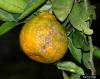
    • Sweet orange scab

      Sweet orange scab is native to South America. It was introduced to the U.S. in 2010, most likely through the movement of infected nursery stock. It's a fungus affecting the fruit of sweet orange and mandarin cultivars.

  • Species Profile -- Tomato Leaf Miner

    • Tomato Leafminer

      The tomato leaf miner was originally thought to be native to Central America, but now believed to have originated in Peru. This pest is not yet present in the United States. It may be transported through the fruit trade and it's impact caused yield losses of up to 100% in tomatoes.

  • Species Profile -- Varroa Mite

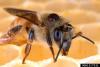
    • European honey bee with a Varroa mite on it's back

      The honey bee varroa mite was first detected in Asia and was introduced to the U.S. in 1987. It's means of introduction was via commercial transportation of infested bee colonies. The varroa mite is a serious worldwide pest of the European honeybee and is a major cause of colony collapses.

  • Species Spotlight - Crazy Snake-Worm [PDF, 1.12 MB]

    • Sep 2017
    • DOI. NPS. Northeast Temperate Inventory & Monitoring Network.

    • See also: Science Stories for more resources

  • Spotted Lanternfly Lands in U.S. (Photo Essay)

    • Feb 11, 2019
    • USDA. ARS. Tellus.

    • The spotted lanternfly, first sighted in Pennsylvania, is an invasive pest to the U.S. See this photo essay to learn more about ARS's research efforts.

  • Spotted Lanternfly Reveals a Potential Weakness

    • Jan 19, 2024
    • USDA. Blog.

    • USDA scientists have discovered that the spotted lanternfly, an invasive threat to fruit crops and many trees, may have an Achilles heel – an attraction to vibration. A native of China, the insect was discovered in Pennsylvania in 2014 and has since spread to 13 other states. Though beautiful as an adult, the insect is a voracious eater that feeds on woody and ornamental trees as well as a wide variety of crops and plants. Left unchecked, Pennsylvania alone could lose hundreds of millions of dollars and thousands of jobs.

      Richard Mankin, an entomologist with the USDA Agricultural Research Service’s Center for Medical, Agricultural, and Veterinary Entomology in Gainesville, FL, and colleagues found a new way to potentially corral and control the pests. Their research was published in the Journal of Economic Entomology.

  • Spread the Word, Not the Weeds

    • Feb 22, 2021
    • USDA. Blog.

    • Deceptively delicate and fragile in appearance, the Eurasian watermilfoil forms thick mats in shallow areas of a lake, quickly growing and spreading to block sunlight, killing off native aquatic plants that fish and other underwater species rely on for food and shelter. In North America, the plant threatens the diversity and abundance of native plants as well as the ecological balance of lakes and ponds, which in turn adversely affects recreational opportunities. If left unchecked, invasive watermilfoil will spread through a lake, or even to other lakes by transmission. An expert team of USDA Forest Service divers with invasive species and aquatics expertise is focused on rooting out the plant.

  • Spread, Impact, and Control of Purple Loosestrife (Lythrum salicaria) in North American Wetlands

    • HathiTrust Digital Library.

    • Citation: Thompson, D. Q. (1987). Spread, impact, and control of purple loosestrife (Lythrum salicaria) in North American wetlands. Washington, DC: U.S. Dept. of the Interior, Fish and Wildlife Service.

  • SRS (Southern Research Station) Releases New American Chestnut Course

    • Dec 10, 2020
    • USDA. Forest Service.

    • The American chestnut (Castanea dentata) was an iconic tree that is now functionally extinct. For a hundred years, researchers from multiple organizations have been working to restore this tree. A free online course – An Introduction to the American Chestnut – is now available. The course covers chestnut taxonomy, silvics, historical importance, ecology, and its demise. A second course in development will cover American chestnut restoration and management.

  • SRS (Southern Research Station) Researcher Receives Grant to Study White-Nose Syndrome

    • Sep 27, 2017
    • USDA. FS. Southern Research Station. CompassLive.

    • White-nose syndrome (WNS) has killed more than six million bats over the past decade. WNS is caused by the fungus Pseudogymnoascus destructans (Pd). Studies show that bats eat enough insect pests to save the U.S. corn industry more than $1 billion a year in crop damage and pesticide costs, and more than $3 billion per year to all agricultural production including forests.
       

      To help fund the research needed to combat this deadly disease, the U.S. Fish and Wildlife Service announced $2.5 million in grants for research of high priority questions about WNS that will improve our ability to manage the disease and conserve affected bats.

  • Statement from Agriculture Secretary Tom Vilsack Recognizing National Pollinator Week

    • Jun 17, 2022
    • U.S. Department of Agriculture.

    • Agriculture Secretary Tom Vilsack issued a United States Department of Agriculture (USDA) proclamation in recognition and support of National Pollinator Week -- June 20–26, 2022. Pollinator species, such as bees, other insects, birds, and bats play a critical role in producing more than 100 crops grown in the United States. Honey bee pollination alone adds more than $18 billion in value to agricultural crops annually.

      USDA also released its Annual Strategic Pollinator Priorities Report: 2022 [PDF, 1.8 MB] that outlines USDA pollinator research and programmatic priorities for the coming year.

  • Stone Fruit Commodity-Based Pest Survey: False Codling Moth [PDF, 1.85 MB]

    • Sep 2011
    • USDA. APHIS. Cooperative Agricultural Pest Survey.

  • Strategic Considerations for Invasive Species Managers in the Utilization of Environmental DNA (eDNA): Steps for Incorporating This Powerful Surveillance Tool

    • Sep 2021
    • USDA. Forest Service.

    • Invasive species surveillance programs can utilize environmental DNA sampling and analysis to provide information on the presence of invasive species. Wider utilization of eDNA techniques for invasive species surveillance may be warranted. This paper covers topics directed towards invasive species managers and eDNA practitioners working at the intersection of eDNA techniques and invasive species surveillance. It provides background information on the utility of eDNA for invasive species management and points to various examples of its use across federal and international programs.

      Citation: Morisette, J., S. Burgiel, K. Brantley, et al. 2021. Strategic considerations for invasive species managers in the utilization of environmental DNA (eDNA): Steps for incorporating this powerful surveillance tool. Management of Biological Invasions. 12(3): 747-775.